Project
The Consortium
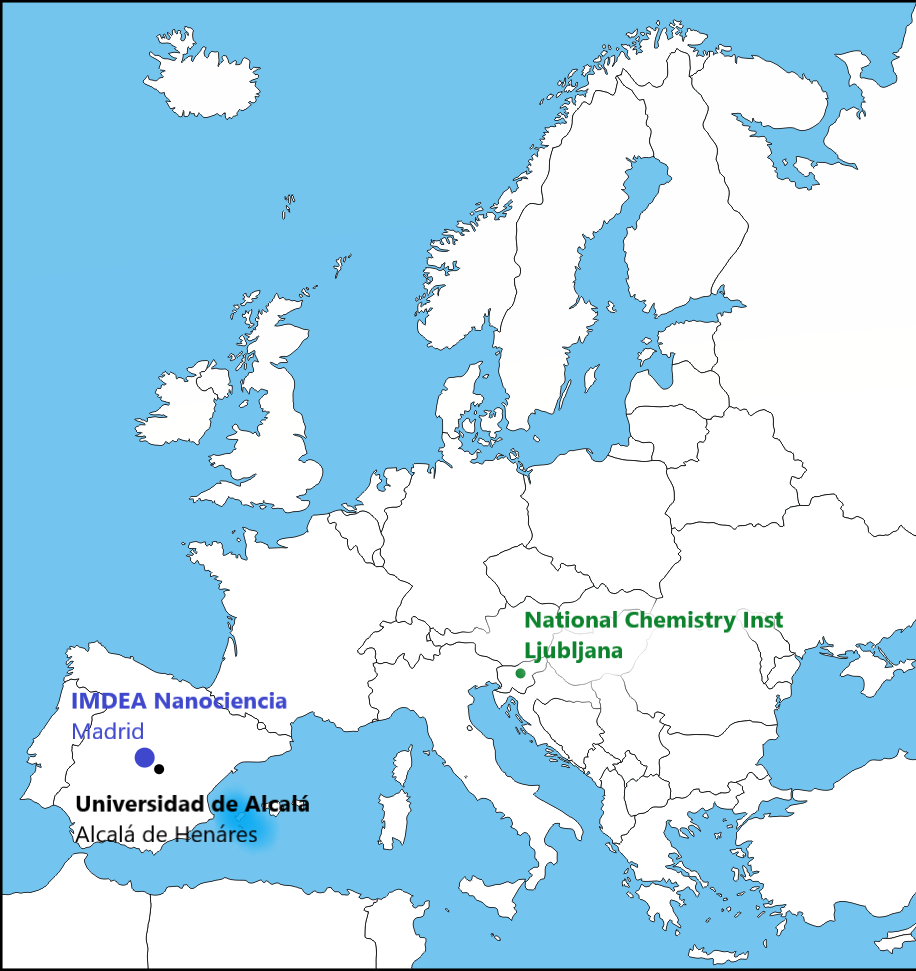
IMDEA Nanociencia (IMDEA) is a non-profit foundation created by initiative of the Regional Government of the Community of Madrid in order to shorten the distance between the research and society in the Madrid region and provide new capacity for research, technological development and innovation in the field of nanoscience, nanotechnology and molecular design.
IMDEA team is involved in different tasks related to 1) synthesis, functionalisation and physico-chemical characterisation of F-MNPs; 2) determination and analysis of the experimental AC hysteresis loop results; 3) setting the optimal experimental conditions for ELISA and magnetic detection methodology.
IMDEA team has solid background on 1) synthesis by chemical routes and characterisation of physico-chemical properties of MNPs; 2) MNP functionalisation with recognition ligands by covalently binding antibodies, peptides, aptamers; 3) developing customised, portable, reliable AC magnetometer; 4) assessing the influence of extrinsic and intrinsic parameters on the AC hysteresis loops. The magnetic detection methodology proposed by BIOMAG is intellectually protected by the International patent PCT/EP2018/080662.

The National Institute of Chemistry (NIC) is a scientifically excellent, established and breakthrough research institution based in Europe. With its cutting-edge research, NIC is enriching the global treasury of knowledge by solving the most pressing challenges facing society including: health, sustainable energy, climate change, a circular economy and safe food. The research goals push the boundaries of science and create new values.
NIC team will be involved in different tasks related to 1) modelling the hydrodynamic F-MNP and biomarker assembling in presence and absence of other off-target serum proteins resulting in unspecific interactions; 2) determining empirical expression to quantify biomarker amount present in sample out of simulating variation of AC hysteresis loops of F-MNPs after specific interaction with biomarker.
NIC team has solid background on 1) multiscale molecular dynamics (MD); 2) open MD; 3) non-equilibrium MD; 4) Brownian hydrodynamics, 5) nanofluidics.
Universidad de Alcalá (UAH) is an academic and research institution funded on 1499 at the same time the Spanish vanguard of the Renaissance and humanist thought in Europe. In addition to classical humanistic studies and the social sciences, UAH has incorporated the most modern qualifications in all scientific fields, such as Health Sciences and the various engineering sciences spread across its campuses, which with the Science and Technology Park are a decisive factor in its international profile and a boost to business in Madrid region.
UAH team will be involved in different tasks related to 1) MNP surface modification to minimise unspecific interaction with serum proteins by anchoring dendrons and neutralising final net surface charge; 2) neutralising the net surface charge of F-MNPs; 3) providing chemical groups for anchoring linkers.
UAH team has solid background on 1) organic and inorganic synthesis; 2) dendrimer chemistry and the biological and biomedical applications; 3) analytical and physico-chemical characterisation of dendrimers and polymers; 4) Biophysical measurements probing interactions between dendrimers and biomolecules.

KUN team will be involved in different tasks related to 1) modelling the AC hysteresis of F-MNPs for simulating the variation of AC hysteresis loops of F-MNPs after specific interaction with biomarker; 2) determining empirical expression to quantify biomarker amount present in sample out of simulating variation of AC hysteresis loops of F-MNPs after specific interaction with biomarker.
KUN team has solid background on theoretical works related to dynamic magnetic behaviour of MNPs in colloidal suspension: 1) numerical simulation on Brownian and Néel magnetisations mechanisms; 2) AC hysteresis loops of MNPs at different field (i.e. field frequency and intensity), magnetic anisotropy, environmental viscosity or particle size conditions.
People
IMDEA Nanociencia
IMDEA team has solid background on different aspects such as the synthesis by chemical routes and characterisation of physico-chemical properties of MNPs; the MNP functionalisation with recognition ligands by covalently binding antibodies, peptides, aptamers; the development of scientific instrumentation; nanomagnetism of MNPs.
IMDEA team is composed by
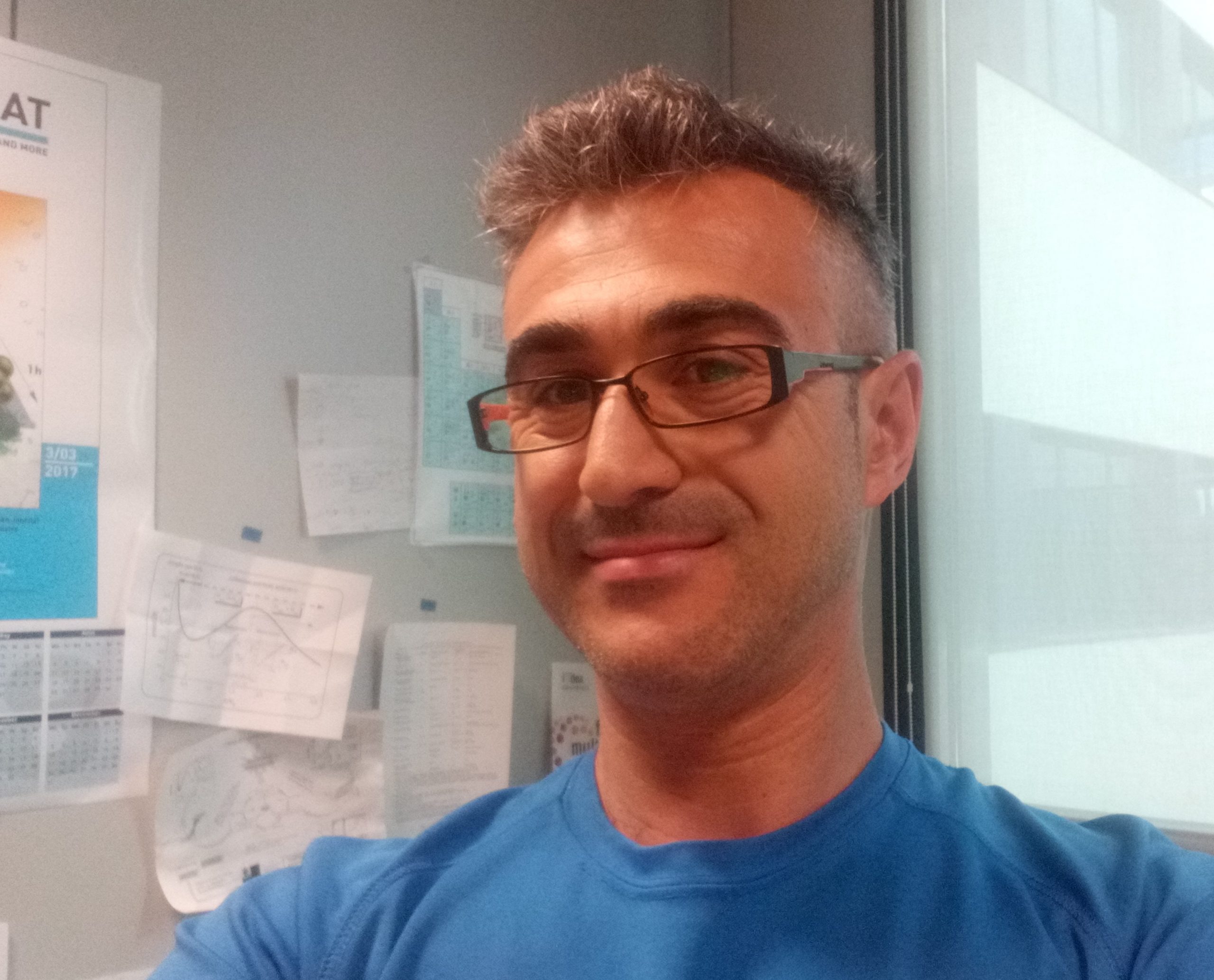
Dr. Francisco J. Terán has a solid experience in the field of characterisation and exploiting magnetic nanoparticles for energy or biomedical applications. Dr. Terán is Senior Research Professor (since January 2017), head of “Nanomagnetics for biomedical and technological applications” group, and the Advanced Instrumentation Unit. Dr. Terán has published 45 peer-reviewed articles in internationally recognised scientific journals, with more than 1800 citations and h-index=25. Dr. Terán is leading (has led) two (five) national and international projects, and currently participates (has participated) in three (six) EU H2020 ongoing projects (NoCanther, COST ACTIONS Nano2Clinic and MyWAVE) and two (five) national ongoing projects (NanoCostMag, HyperNano). Dr. Terán is coinventor of the international patent PCT/EP2018/080662, and co-founder of the start-up Nanotech Solutions.
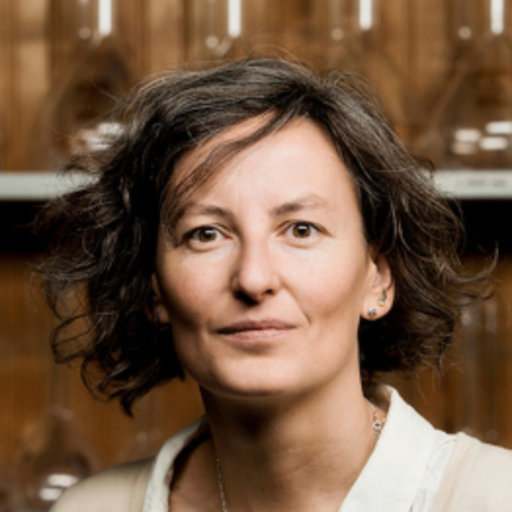
Dr. Aitziber L. Cortajarena has an extensive experience in the field of biomolecular engineering and the design of biofunctional nanostructures and biomaterials. Her research pays special attention to functionalisation with biomolecules and to the generation of final formulations with optimal properties, including their biocompatibility and stability, selective drug release and targeting capabilities, for being used under clinically relevant conditions. On 2016, Dr. Cortajarena was awarded with a is ERC Consolidator Grant focused on protein-based functional nanostructures. As result of her scientific research efforts she has published 92 peer-reviewed articles in internationally recognised scientific journals, with more than 1800 citations and h-index=27.

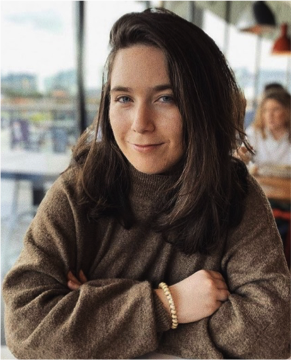
Dr. Daniel Ortega has made remarkable advances in the field of nanomagnetism applied to medicine, especially those reflected in his works on bioapplications of magnetic nanoparticles and computational nanomedicine, with special emphasis on cancer theragnostics. Since January 2020, Dr. Ortega is award with a Ramon y Cajal fellow, and coordinates an Excellence network on Translational Clinical Hyperthermia (HiperNano). As result of his scientific research efforts he has published 45 peer-reviewed articles in internationally recognised scientific journals, with more than 1500 citations and h-index=17.
Elena Sanz de Diego obtained in 2016 a Chemistry degree from Universidad de Alcalá (Alcalá de Henáres, Spain). Afterwards, she performed in 2017 a master´s degree in “Therapeutic targets and cell signaling: Research and development” at Universidad de Alcalá. Actually, she performs a thesis work related to magnetic detection method based on functionalized magnetic nanoparticles with recognition whose magnetic properties vary after specific interaction with target biomarkers.

Antonio Santana Otero obtained in 2017 a degree in Biotechnology from the University of Cadiz in 2017. He obtained a master’s degree in “Nanoscience and molecular nanotechnology” at University Autónoma de Madrid in 2018. Actually, he performs a thesis work on the synthesis of different metal nanoparticles, with special emphasis on their magnetic properties and their interactions with cells for biomedical applications.
National Chemistry Institute
NIC team is a theoretical group with a solid background on computer simulation of soft and biological matter. The focus is on developing and combining innovative computational and theoretical methods as well as their application to study complex molecular systems. Their different modelling expertise centers on multiscale, non-equilibrium and open molecular dynamics; Brownian hydrodynamics; and nanofluidics.
NIC team is composed by:
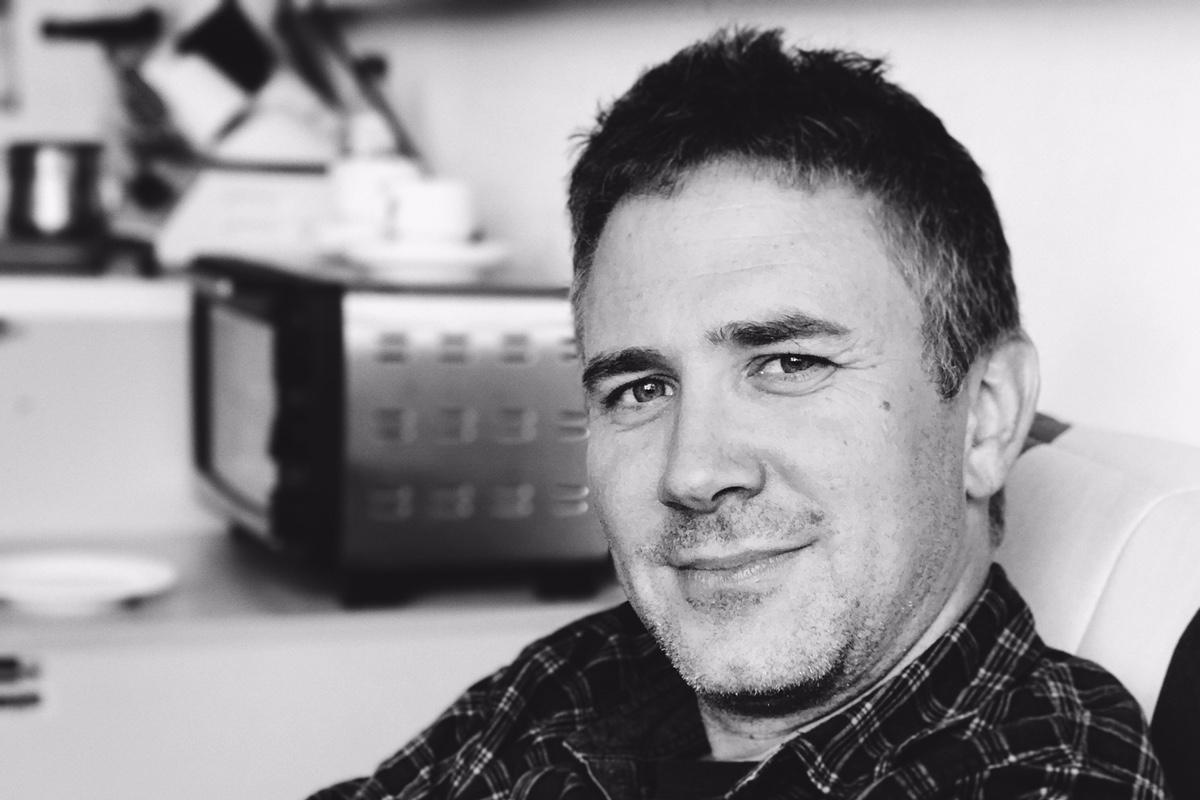
Dr. Matej Praprotnik has a strong background in the field of multiscale modelling. Dr. Praprotnik is one of the main developers of the Adaptive Resolution Scheme, which enables concurrent coupling of different levels of description (resolutions) of a simulated system. Dr. Praprotnik is the head of the Theory Department at NIC and a full professor of physics (since 2018) at the University of Ljubljana. Furthermore, Dr. Praprotnik is also chair of the PRACE Scientific Steering Committee and a Slovenian representative in CECAM Council. Recently, Dr. Praprotnik has been awarded with an ERC Advanced Grant focused on the design of virtual research environment to assist medical applications of ultrasound-guided drug and gene delivery and imaging. Dr. Praprotnik has so far published 60 peer-reviewed articles in internationally recognised scientific journals, with more than 3100 citations and the h-index=28.
Prof. Dr. Daniel Svenšek is an associate and assistant professor of physics at University of Ljubljana, Faculty of Mathematics and Physics, and (since 2020) a senior research fellow in the Theory Department at NIC. His main background is theoretical modelling in soft matter physics and biophysics, in particular of complex fluids, polymers, and biological active systems (bacteria swarms). He is one of the founders (2019) of the tensorial constraint coupling variations of concentration and orientational order in linear polymers. He has also a scientific record of several interdisciplinary collaborations including laser Doppler vibrometry in entomology as well as room acoustics modelling. His ongoing endeavours involve advanced thermo-elastic studies of injection-moulded thermoplasts, explorations of interplay between soft matter and microacoustics, as well as a recent initiative in acoustic data mining of classical music instruments.
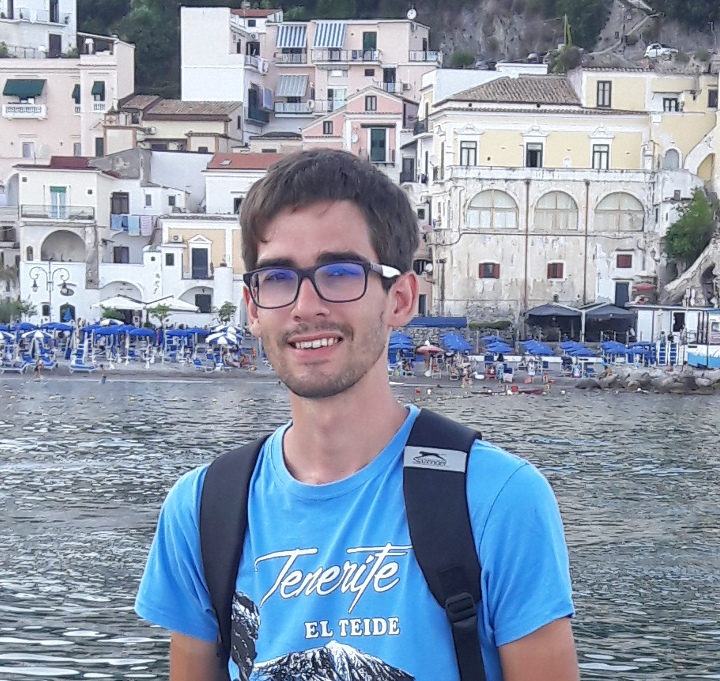
Dr. Tilen Potisk is a theoretical physicist who obtained his Phd in Physics at the University of Bayreuth(Germany) on continuum descriptions of magnetic fluid phases such as ferromagnetic nematic liquid crystals, magnetic gels with additional tetrahedral order, and magnetorheological fluids. Dr. Potisk has a strong background in modelling of (magnetic) systems on large space and time scales using macroscopic dynamics which employs a symmetry based approach. Dr. Potisk was involved in the Schwerpunktprogram SPP 1681 project “Field controlled particle matrix interaction: synthesis, multi-scale modelling and application of magnetic hybrid materials”, funded by the Deutsche Forschungsgemeinschaft. His current research focuses on mesoscopic simulations of fluids and nanostructures using the dissipative particle dynamics approach. Dr. Potisk has so far published 7 peer-reviewed articles in internationally recognized scientific journals.
Universidad de Alcalá
- Synthesis of new carbosilane dendritic systems (homo and heterofunctionalized spherical dendrimers, dendrons, dendronized nanoparticles, hyperbranched polymers, hydrogels) and functionalization strategies.
- Generation carrier agents for nucleic acids (antisense oligonucleotides, interfering RNA, etc.) in transfection processes and gene therapy for HIV and cancer.
- Generation of carrier agents for antibacterial, anti-inflammatory, anticancer drugs.
- New antiviral, antibacterial, antiparasitic or antiprionic drugs based on dendritic systems.
- Development of metal complexes as antiviral, antibacterial or anticancer agents.
UAH team is composed by:
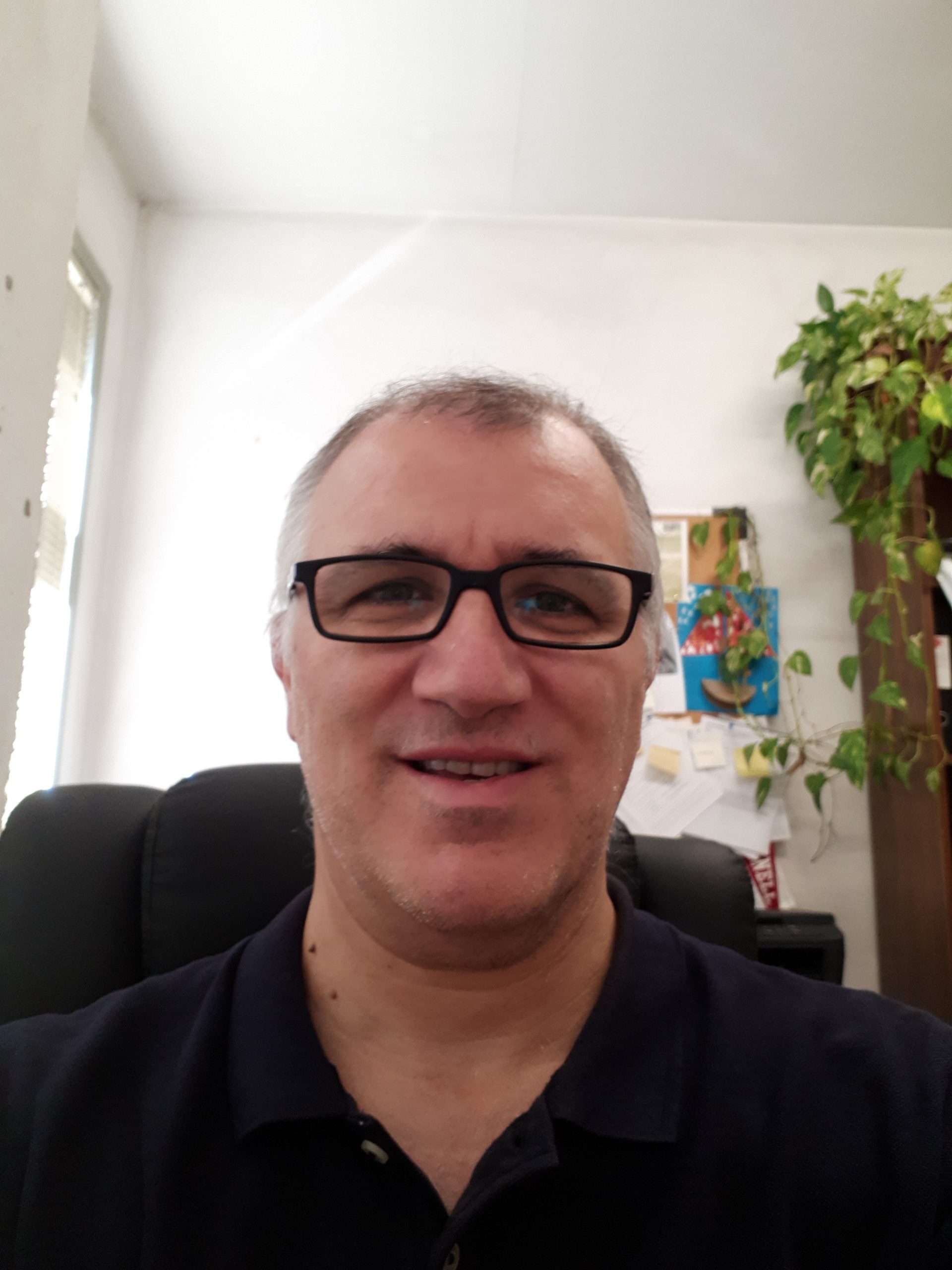
Dr. Rafael Gómez has extensive experience in the use of dendrimers for biomedical and biological applications. As result of his scientific research efforts, Dr. Gómez he has published 164 peer-reviewed articles in internationally recognised scientific journals, with a total of 2700 citations and an h-index of 29. Dr. Gómez has recently participated in different European projects (IRSE, EURONANOMED). In addition, Dr. Gómez has been very active in the transfer of knowledge to the industry through 18 national and international patents as well as the creation of two Spanish biotechnological spin-off companies.
Dr. Javier Sánchez-Nieves has extensive experience in dendrimers and modification of materials with them for biological applications. Dr. Sánchez-Nieves is Associated Professor in the University of Alcala. Participant of European and National projects related with applications of dendritic systems and nanoparticles on biomedicine (cancer, HIV, antibacterial and antiparasite agents). In the last 5 years, Dr. Sánchez-Nieves has been author of 23 publications (h-index > 19) and has been supervisor of two Ph. D. Thesis. Author of 4 national and PCT patents. One PCT patent is centered in the use of carbosilane dendrimers and their use as antiviral, and was licenced to Ambiox Biotech S. L. Another PCT patent is based on the use of metallic nanoparticles in biomedical applications.

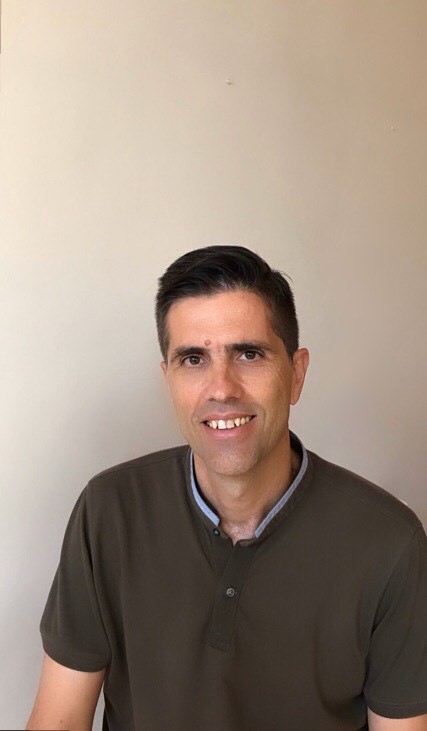
Dr. Jesús Cano Sierra has an extensive experience in the synthesis and use of dendrimers in biomedical applications. He is Senior Lecturer in Inorganic Chemistry in the University of Alcala. Dr. Cano has participated in more than 20 European and National projects in organometallic synthesis and catalysis, and in the synthesis and use of dendrimers in biomedical applications. His research experience is reflected in the multiple research grants awarded (AvHumboldt and Marie-Curie, i.e.) and the high-quality scientific production published in high impact journals. In the last 5 years, he has been author of 15 publications and has supervised 4 Ph. D. Thesis. In addition, Dr. Cano has transferred knowledge to the industry through 4 collaboration contracts and 2 patents.
Kyushu University
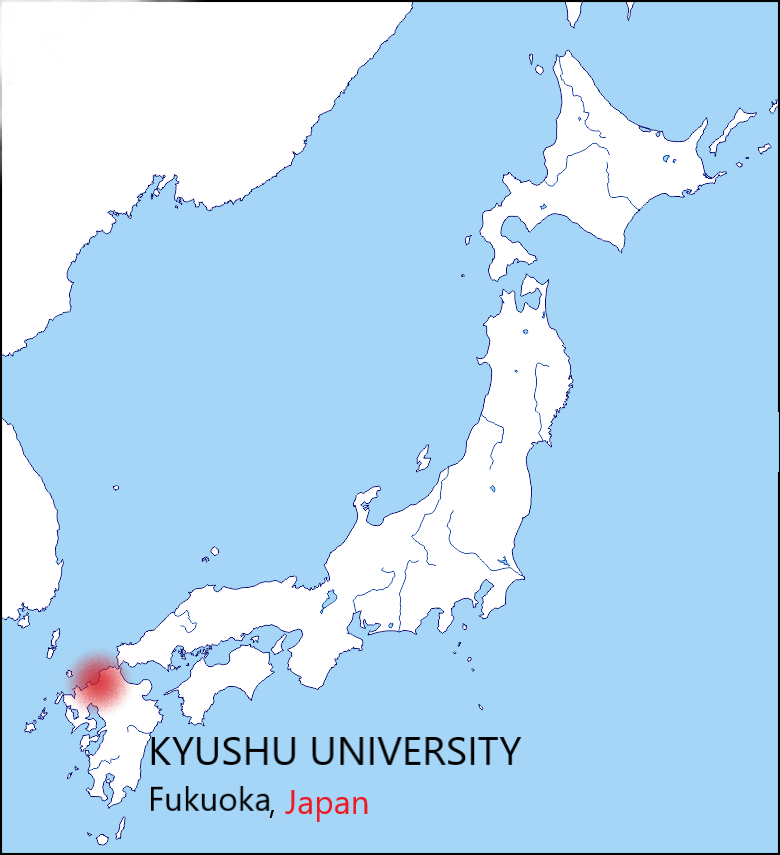
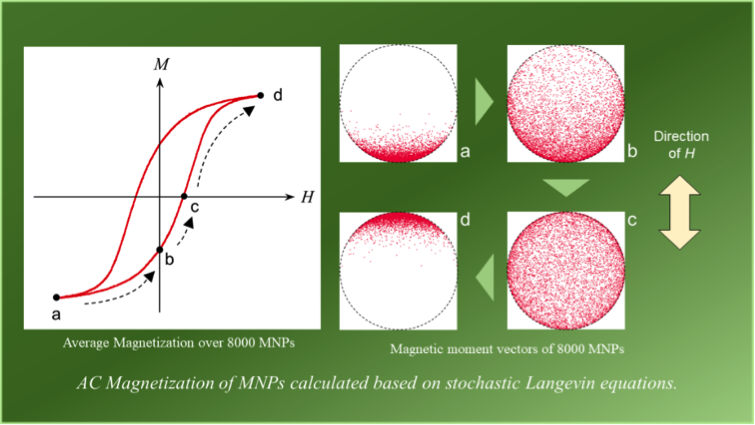
KU team has solid background on theoretical works related to dynamic magnetic behavior of magnetic nanoparticles (MNPs) in colloidal suspension, such as 1) numerical simulation on Brownian and Néel magnetizations mechanisms; 2) AC hysteresis loops of MNPs at different field (i.e. field frequency and intensity), magnetic anisotropy, environmental viscosity or particle size conditions. The following figure illustrates the numerically calculated results of magnetic moment moments of 8000 MNPs and their averaged magnetization when AC excitation field is applied. These techniques are powerful tools to deeply investigate the dynamics of each MNP as well as that of ensemble.
KUN team is composed by:
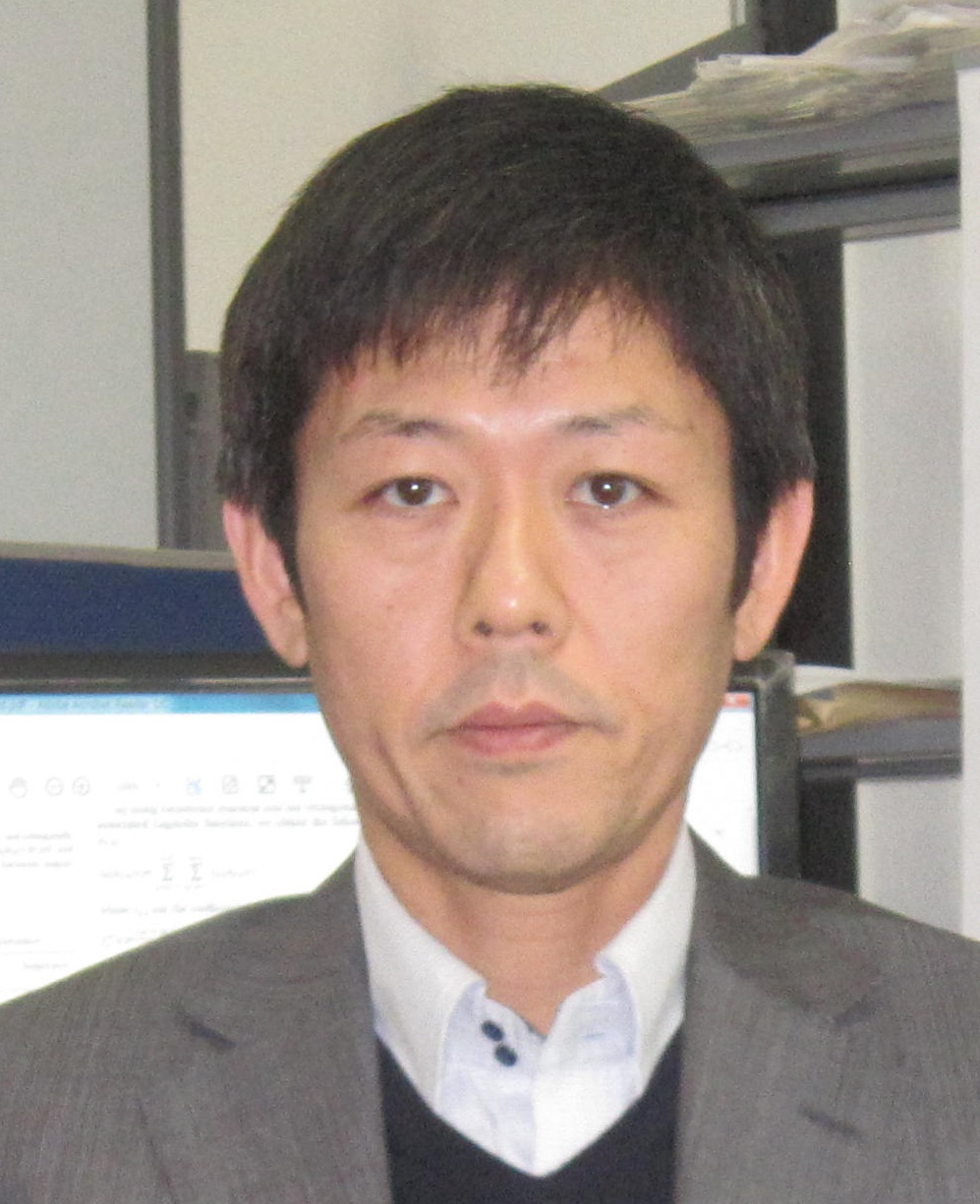
Prof. Dr. Takashi Yoshida has a strong background on theoretical physics especially for dynamic magnetisation of MNP. His research has focused on numerical calculations and modelling of dynamic magnetisation of Brownian and Néel MNPs under different excitation field, i.e., DC step, AC, and rotating magnetic fields. Dr. Yoshida is Associate Professor at Kyushu University since 2013 and running his own laboratory in the Faculty of Information Science and Electrical Engineering. As result of these activities, Dr. Yoshida has published 49 peer-reviewed articles with more than 800 citations an h-index of 16.
Dr. Teruyoshi Sasayama has a strong background on magnetic measurement especially for biomedical applications. His research has focused on the magnetic measurement and the signal processing for the magnetic immunoassay and magnetic particle imaging. Dr. Sasayama has been recently nominated Associate Professor at Kyushu University in the Faculty of Information Science and Electrical Engineering. Dr. Sasayama has published 38 peer-reviewed articles with an h-index of 6.